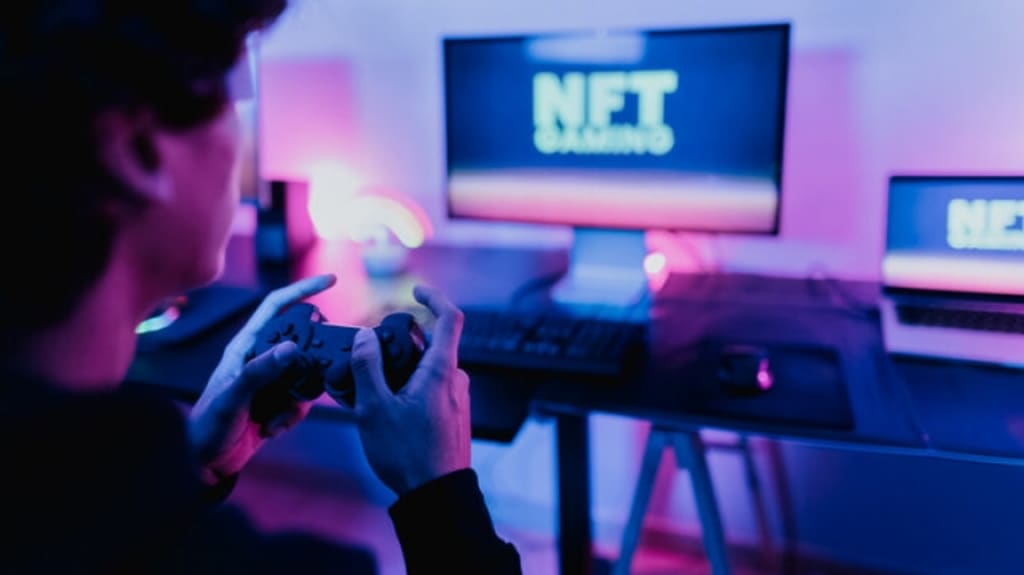
The world of gaming is a dynamic landscape, constantly evolving as new technologies and trends emerge. One such fascinating development is the rise of non-fungible tokens (NFTs) and their impact on the gaming industry. NFTs are unique digital assets that can be bought, sold, and traded, creating new opportunities for players to interact with in-game items and characters.
In this article, we will explore the exciting world of NFTs and their potential to revolutionize gaming in the KSA and UAE regions.
Understanding NFTs and Their Unique Features
At the core of NFTs lies blockchain technology, which provides a decentralized, secure, and transparent network to record transactions. Unlike cryptocurrencies such as Bitcoin or Ethereum, which are fungible, NFTs are non-fungible, meaning each token is unique and cannot be exchanged for another identical token. This unique nature of NFTs makes them perfect for representing rare and valuable digital assets in the gaming world.
While various blockchain platforms support NFT creation and trading, Ethereum is currently the most popular choice due to its extensive infrastructure and developer support. NFTs exist as a digital token with a unique identifier, encoded with a variety of metadata that can include the asset’s creator, ownership history, and provenance.
For gamers in the KSA and UAE, NFTs represent a new way to interact with their gaming assets, enabling genuine ownership, verifiable scarcity, and the ability to transfer or trade assets with others in a secure, decentralized manner.
In-Game Assets, Characters and Virtual Real Estate
The incorporation of NFTs into the gaming industry benefits both developers and gamers in numerous ways. For developers, NFTs allow the creation of unique in-game items with verifiable scarcity, fostering a sense of exclusivity and value that players may find appealing. These digital assets can be bought, sold, or traded within the game, creating an in-game economy driven by players’ demands and desires.
In addition to in-game items, NFTs can be used to represent characters and avatars, which can enhance the gaming experience for KSA and UAE players. By owning unique character NFTs, players can customize and personalize their gaming experience, adding a new layer of depth and engagement.
Virtual real estate has also emerged as a prominent use case for NFTs within the gaming landscape. Gamers can now buy, sell, and trade virtual land plots within game worlds, creating an exciting space for players to develop their digital empires. These virtual lands can host game events, showcase in-game assets, or even house digital art galleries.
The Impact of NFTs on the Gaming Economy
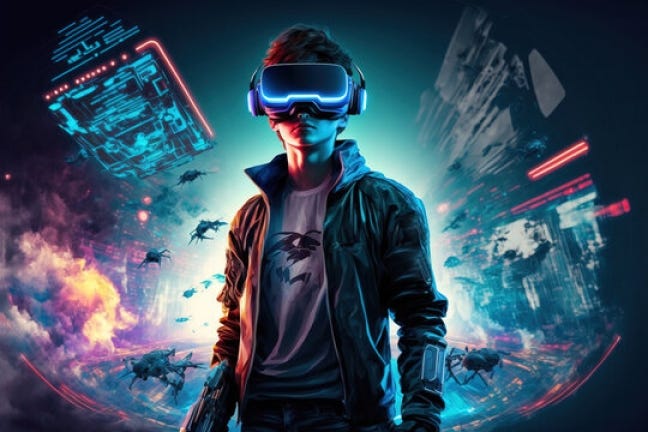
The rise of NFTs is expected to transform the gaming economy, as they create new opportunities for gamers to monetize their in-game assets and experiences. By incorporating NFTs into their games, developers are creating a player-driven economy, where rare assets can change hands and increase in value based on supply and demand.
In the KSA and UAE, NFTs provide gamers with the ability to participate in a borderless, decentralized marketplace, empowering them to generate revenue from their gaming investments. Beyond individual gamers, the broader adoption of NFTs can spur growth in the regional gaming sector, introducing new revenue streams and fostering a more robust gaming ecosystem.
As NFT gaming platforms gain popularity, developers can also leverage NFTs to engage with players and build stronger, more loyal communities. With the opportunity to earn, trade, and showcase their NFT assets, players in the KSA and UAE are likely to develop a deeper sense of attachment and investment within the gaming experience.
Challenges and Considerations for NFTs in Gaming
While NFTs present exciting opportunities for the gaming industry in the KSA and UAE, they are not without challenges and considerations. For one, the regulatory landscape surrounding NFTs is still nascent globally, and regional policymakers will need to weigh in on how to foster their growth responsibly.
Another key challenge lies in ensuring the security and integrity of NFT transactions. Despite the robustness of blockchain technology, NFT marketplaces can still be susceptible to hacks or fraud. Developers will need to prioritize the safety of their platforms to ensure the trust and confidence of gamers in the KSA and UAE.
Additionally, integration of NFTs into existing games can require significant technical know-how and resources. In order for gaming platforms to reap the benefits of this technology, developers will need to invest in building the necessary infrastructure, which could prove to be a barrier for smaller or independent studios.
Conclusion
The incorporation of NFTs in the gaming industry stands as a transformative force for the KSA and UAE regions. As gamers seek out new, immersive experiences and opportunities to monetize their in-game assets, NFTs can unlock an exciting world of possibilities within the gaming realm.
Balancing the potential of NFTs with the challenges they present, game developers in the KSA and UAE have an opportunity to capitalize on this growing trend and reshape the gaming experience for the digital age. As the gaming industry continues its rapid evolution, the emergence of NFTs and their adoption by developers and players alike will undoubtedly influence the future of gaming in the region.
Stay at the forefront of gaming innovations and NFT trends! Subscribe to our gaming newsletter at Trending Game News for the latest news, insights, and updates delivered straight to your inbox.